What is a Luxury Care Home and How is it Different?
A luxury care home pairs round-the-clock care with hotel-style service and fine surroundings. But the true test of luxury should go well beyond the décor.
Ask someone what ‘luxury’ means in a care home context and décor is usually the first thing they mention. Beautiful spaces, quality furnishings, fresh flowers in the vases each morning. The elevated feel in the give of a sofa or the firmness of an armchair.
But, in truth, gorgeous design and homely interiors are often the easiest parts to get right. The truer test of a luxury care home is what the weekly fee you pay actually includes and how life feels for a resident living in those spaces. These are harder to get consistently perfect, yet people working in care agree that they make the biggest difference to people’s experience of later life.
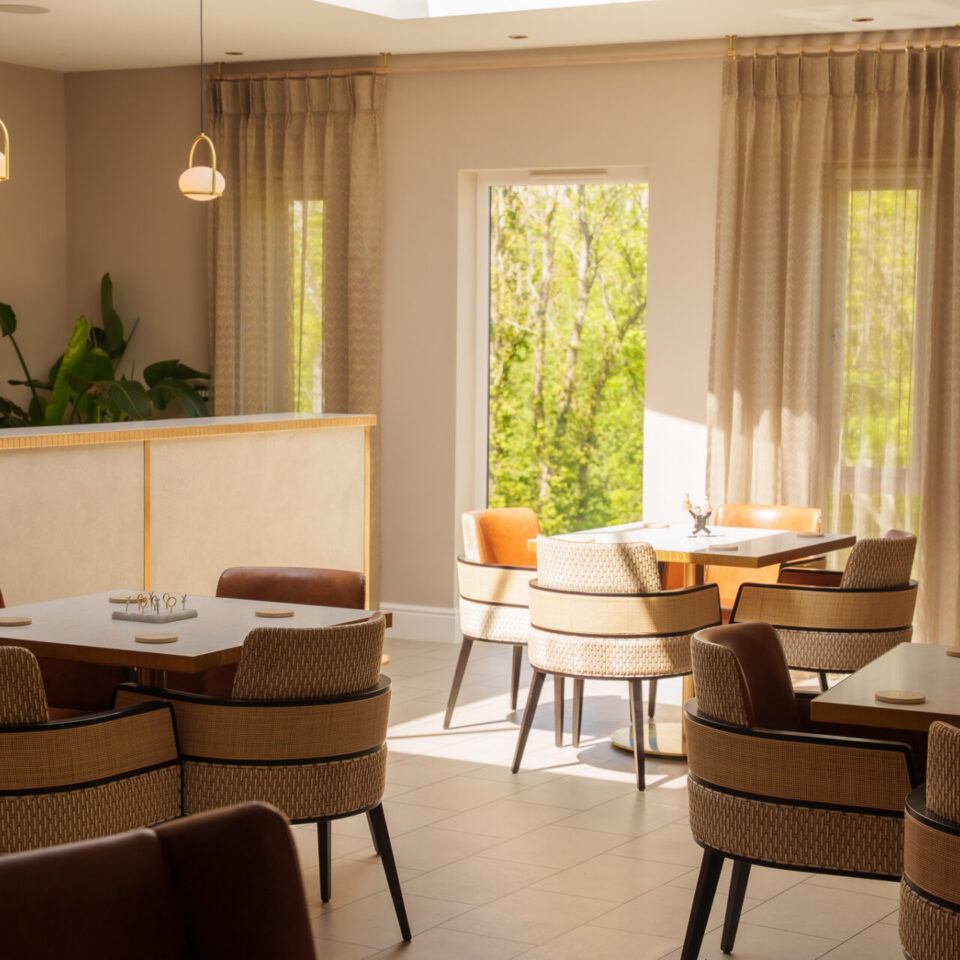
Drop in to a Berkley home and you’ll feel more like you’ve walked into a fine hotel than what many in the UK picture when they think of a care home. Families stopping by on the way back from work, or after picking up the kids from school, sitting in our light-flooded bistros or out on the terrace with mum or dad, enjoying fresh cakes and artisan coffee. At the bar, you might see a resident, fresh from a trip to the salon, with their son or daughter, pouring a decent measure of Golden Hour, our award-winning gin that residents created with Sky Wave distillery. And everywhere you look, people engaged in conversation, relaxing and enjoying their day.

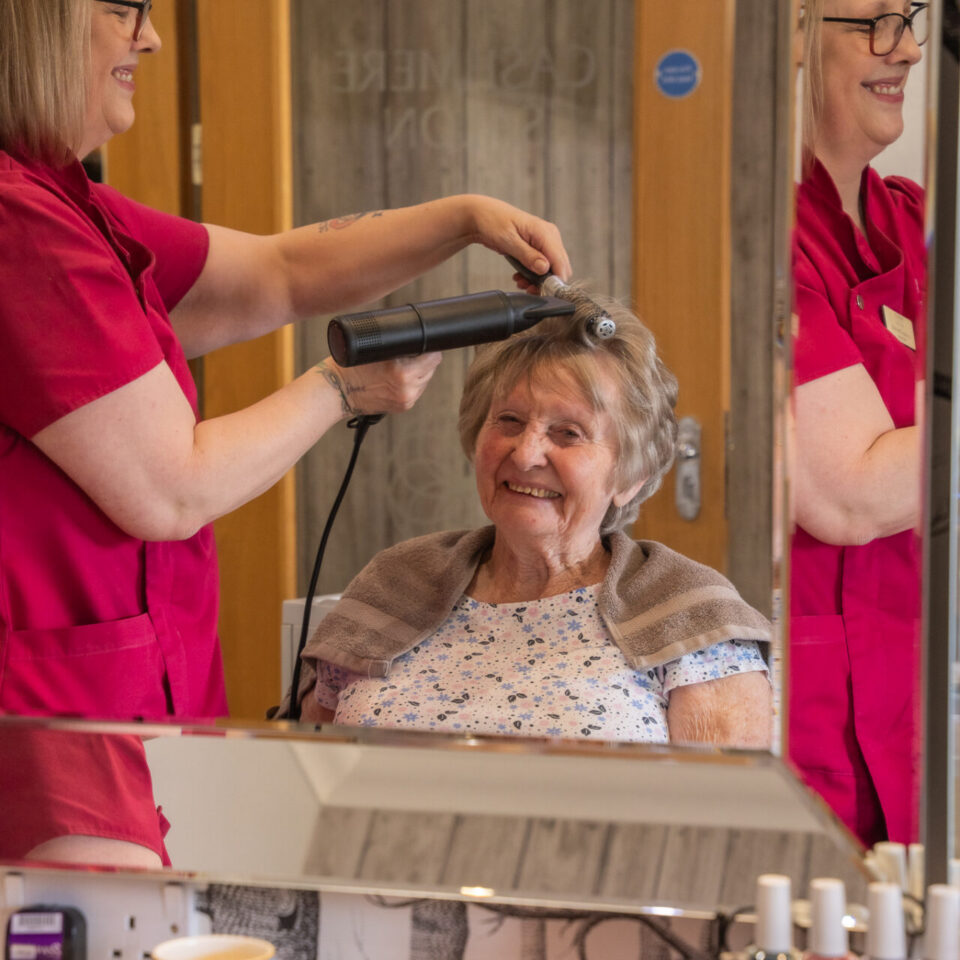

Those details highlight a crucial difference between a simple list of amenities or features and the way a great care home actually works. The first is easy to describe; the second is what our residents and their families experience every single day.
So, if you’re wondering about what ‘luxury’ means in the care context, whether it is worth it, or how it compares in cost with standard care, here’s a helpful guide to what to look for.
What separates a luxury care home from a standard one?
In basic terms, a luxury care home pairs round-the-clock care with more hotel-style service and surroundings. Think restaurant-quality dining, a dedicated salon and spa, landscaped gardens, a full calendar of activities and more of the team’s time for each resident.
What is included in luxury care home fees?
That depends on the provider. At Berkley, we operate one all-inclusive weekly fee that covers:
- All the care
- A private furnished room with an ensuite wet room
- All meals and drinks
- Housekeeping
- Laundry and linen
- Hairdressing and barbering
- Beauty treatments
- Physiotherapy and chiropody visits
- WiFi
- Daily newspapers
Also covered is our entire activities calendar, events and outings, use of the screening room cinemas and all hospitality for all visiting family. Likewise, it includes our private dining rooms for family gatherings and special occasions and all the food and drink to go with them.
Our drivers take residents to local appointments and trips out to museums, the theatre and swimming pools. The point is to make that weekly figure meaningful and give residents an incredible later life, lived to the full, rather than leave families to discover what everyday life costs in a series of separate charges.
In homes where those extras are billed separately, hairdressing, chiropody, manicures, outings, hospitality for visiting family and private dining can add up to far more than £500 a month or over £6,000 a year. So, it is always worth asking any provider which items are included and which are charged on top.


How much does a luxury care home cost?
According to carehome.co.uk, the more ‘luxury’ high-end care homes typically cost £2,000 to £4,500 a week. Some premium homes start from around £1,800, compared with a UK average of £1,298 a week for self-funded residential care. For more specifics, view our guide to care home costs to explore the wider numbers, including the cost of staying at home and live-in care, or speak to our team.
It’s important to remember that the headline fee matters, obviously, but it never tells the whole story. A lower weekly price with a long list of add-ons will frequently end up costing more than a higher price that includes the things a resident uses and enjoys day to day. And it can mean difficult conversations between loved ones and families about what they can and can’t do that week.

What makes a luxury care home feel different?
At Berkley, it always starts with what you see when you walk through the door and how you are greeted by the care home teams. Then it continues in everything that happens afterwards.
Our spaces matter. We know that and we work with leading designers and architects to create homes that feel the highest quality, but also homely. There are spa-style bathrooms with specialist whirlpool baths, a library with deep armchairs and reading lamps and our screening rooms for classic films and live sport. There are landscaped gardens with terraces and balconies where you can sit out with a newspaper or get stuck into planting or croquet, and salons for hairdressing, barbering and beauty. Your own bedroom is arranged around you: your photographs, your belongings and your own furniture, if you want it there.
But a beautiful room is only the beginning. The difference is in the attention of our teams. Sometimes that means joining group activities like music or art, or sometimes a one-to-one session. It means little things too like a bag of Werther’s Originals left by a resident’s bed because someone in our team remembered that they liked them and brought a bag without being asked. Not a grand gesture, necessarily, but a detail noticed and acted on.
This attention runs through the kitchen and dining too. When someone moves in, our chefs sit down with them and their family to learn favourite dishes and special-occasion recipes, so the food they love (or used to cook for their family) follows them into our homes. Our chefs are restaurant-trained and cook from scratch using local ingredients. The patisserie chefs put out fresh pastries each morning. We know how food carries memory and we love to explore that.
The same spirit shapes the private dining room experience, where residents host family and friends for birthdays, anniversaries and special occasions. The menu is chosen specially with the chef, the wine comes from the list and the family gathers around one table, without the cooking or clearing up. All of it included.
In the end, it comes down to things like knowing how someone takes their tea and which table they like to sit at in summer. In our homes, a resident is a person living their best life, never a transaction, and our team’s time and attention across all facets of our homes make that possible.
How to compare luxury care homes
Choosing a home usually starts with a visit. Take our comparison checklist on every tour, including to our 12 homes. Start with the practical questions. What types of care are offered? Is the pricing truly all-inclusive? Go through the weekly price line by line and ask what is included and what costs extra. Ask about the hidden costs that often catch families by surprise.
Then look at the ordinary day. Ask to see the activities schedule and a sample menu. Walk the gardens and see how the spaces are used. Ask about connections with the local community, and check the home’s CQC rating and carehome.co.uk score. A visit gives you a chance to see how the place feels and to ask the questions that matter to your family.
The best checklist is the one you use in person. Book a tour, bring the checklist along, take your time and see what you notice.


Figures are illustrative UK averages, not financial advice. Costs and funding rules vary, so speak to a qualified adviser about your circumstances. Sources: carehome.co.uk for the care cost figures; Berkley’s own costing for the included-extras estimate.