The Space Between: Life Beyond Independent Living at The Grove
When full service care doesn’t fit but independent living is getting harder at home.
It’s finished, the painting she’s been working on with her teacher this week in the light filled garden-room. She signs the canvas with a sense of satisfaction. Now it’s time to compare her work with her friends’ paintings over tea and the pastries that the chef made fresh that morning. It’s a far cry from how mum was living a few months ago and it all changed with one phone call.
Right now, you can bet that there are mums and daughters on phone calls across the country that nobody is finding easy. She’s asking mum what she had for dinner and hearing ‘toast’ as the reply. Again. The house is ‘fine’, mum’s health is ‘fine’, everything is ‘fine’, only that word is starting to sound meaningless and worrying.
The four-bedroom house that once held a family now holds one person and too much quiet. The garden that was a passion has become a chore. The car sits on the drive more than it used to. Friends have moved or gone, or become harder to visit. And those daily (digital) tasks take longer and longer to sort out. Nothing is really wrong, exactly. But nothing feels quite right either. Independence gets harder every day.

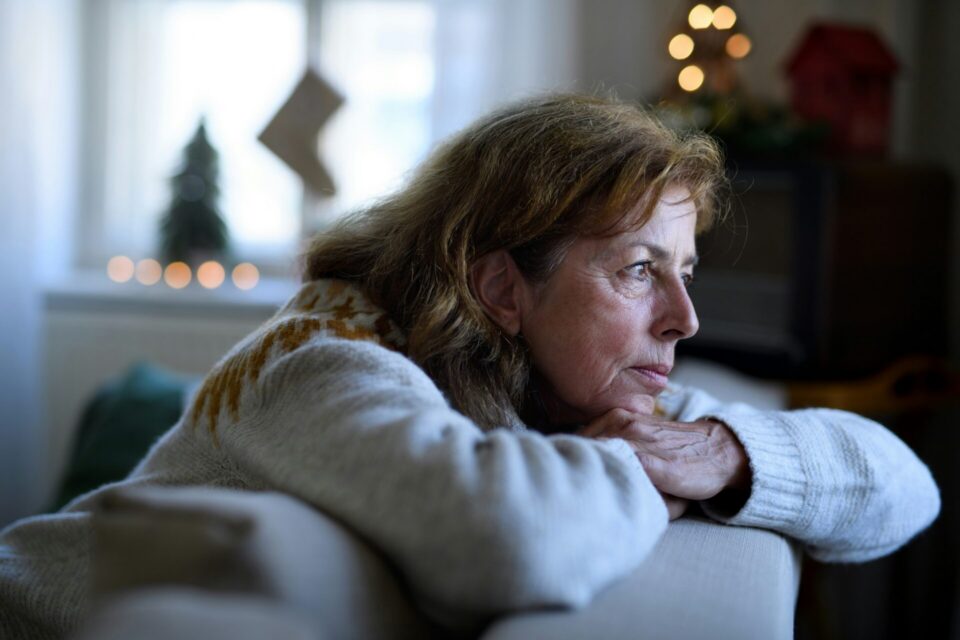
We have the words for when people need care; we have the words for people who can live independently. What we do not have, and what hundreds of thousands of families in the UK are searching for, is a word for what comes between. That space. That period, sometimes months, sometimes years, when someone is perfectly capable of living alone but is no longer flourishing because of it. When independence starts to feel a little more like isolation.
It is one of the least discussed transitions of later living, yet one of the most important. Because the decisions made in this window tend to shape everything that follows. Wait too long and what begins as loneliness can swiftly become something harder to reverse: a small fall ends up denting mobility and confidence permanently, a diet of make do isn’t serving the body well and suddenly a once exciting world shrinks to a sofa, a television and a telephone.
The trouble is that the options, as traditionally understood, don’t seem to fit. A care home can feel premature, even offensive (‘I’m not that old!’). And yet staying put, with perhaps a cleaner, a carer and a meal delivery service, is often just a more expensive way of being alone.
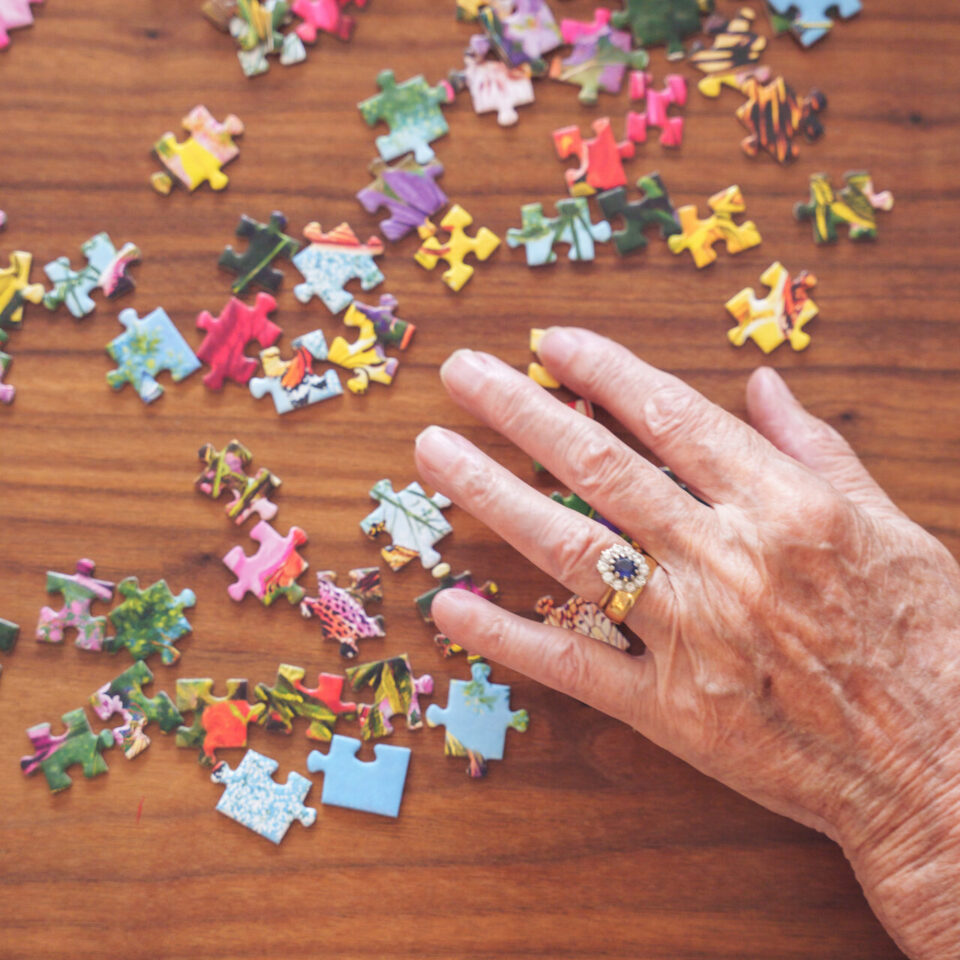


At Blenheim House, part of the Berkley Care Group in Wiltshire, Oxfordshire, the answer to this question has taken a very particular shape. It is called The Grove.
What is The Grove?
Nine beautiful bedrooms on a private, light-filled communal home within a home, a smaller household within a larger one. Step out of the lift and you are not in a corridor but an elegant, wide, living space with a dining table at one end and a lounge at the other.
A cake stand is stocked with fresh pastries and treats dad loves. A wonderful little kitchenette is there for when he feels like making his own coffee at eleven o’clock with just the right amount of sugar. Then there is a second, smaller sitting room for those times he wants to disappear into a novel and listen to the spring birdsong through the open window.

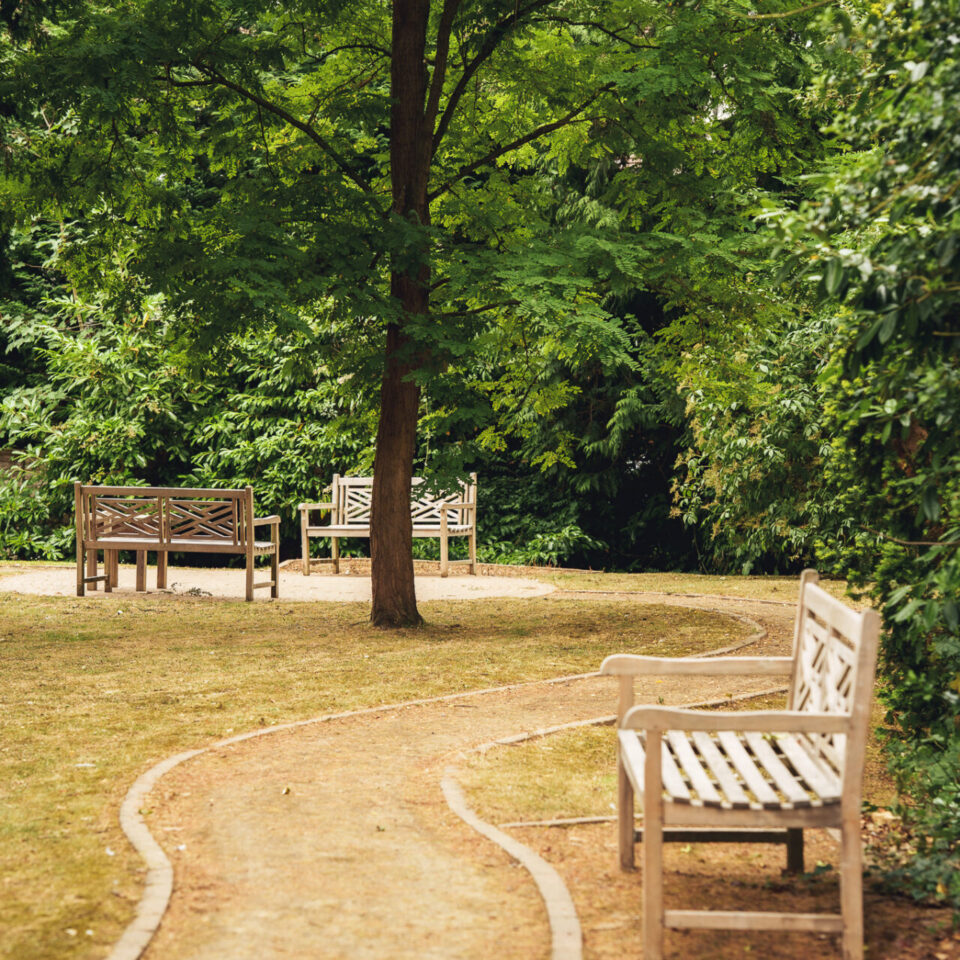
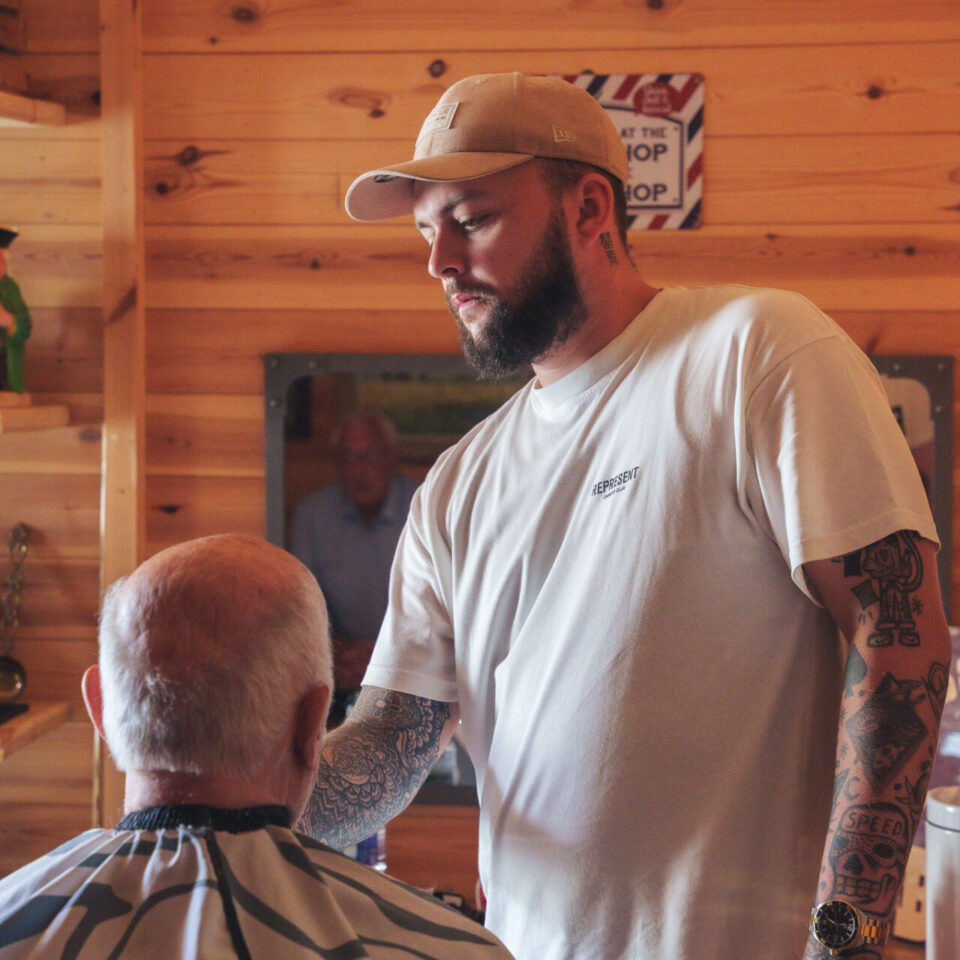
What does an average day look like at The Grove?
Eleanor moved into The Grove three months ago. She is 81, still sharp, and will tell you within five minutes of meeting her that she is not a person who needed care. What she needed, she admits, was to stop dreading the evenings alone.
Eleanor had been living alone in a house in north Oxfordshire since her husband died. She could manage well. She could still cook a great lasagne from scratch, drive herself to appointments, handle her own affairs. But the house had started to feel like a responsibility rather than a home, and the gaps between seeing other people had grown wider than she wanted to admit. Her daughter, who lives in London, had started ringing every night and asking her to text and WhatsApp more regularly so she could be sure mum was okay.
Now Eleanor’s mornings start with a bit of help getting dressed, which might only be a small thing, but it is one that used to take the shine off the first hour of the day. Then she heads downstairs. Not to a dining hall, but to the bistro on the ground floor of Blenheim House, where the coffee is freshly ground and someone is usually playing some calm chords on the piano. She might sign up for a piano lesson herself.
She has breakfast. She reads the paper – the one Berkley found out is her favourite. Catches up on conversations from yesterday, hears about everyone’s plans, and makes a few of her own.
The lift is the detail that makes the whole thing work. From The Grove, Eleanor is sixty seconds from the bistro, the gardens, the salon, the daily programme of activities (she loves yoga) and outings that runs through Blenheim House.
Last week she had her hair done on Wednesday morning, joined an art class after lunch and went out for dinner with her daughter on Friday, who was visiting for the weekend. She came back glowing and a cup of tea was waiting in the lounge for her. The week before she drove herself to a garden centre and came back with herbs for the raised beds outside. None of this is organised for her. She organises it herself. The difference is that she is no longer doing it from an empty house, or wondering if she’ll be okay to manage these things.
“Think of it as having your own front door within a building that also has a restaurant, a salon, a garden, a cinema and a social calendar.”

How does it work financially?
Like all Berkley homes, the model is all-inclusive. One fee covers everything, from dining, bar and bistro to the hair salon, the activities, the classes. There are no extras on a bill, no supplements, no invoices for things that should just be part of living well.
And this matters, because it means residents and their families are not calculating what a good glass of wine costs. Everything is already theirs.
The solution for the Space Between
The people drawn to The Grove tend to share something. They are not frail. They are not confused. They are, typically, formidable and independent-spirited; people who ran businesses, raised families, travelled extensively, built lives of considerable substance. Just ask our team who get the genuine pleasure of chatting to them every day.
But what they all have in common is that the life they were living at home had stopped feeling like the life they wanted. For families still having those really difficult conversations, those ones about toast and whether everything really is fine with mum or dad, The Grove is worth visiting.
Step in and you realise it is not a step down from anything. Quite the opposite, in fact. It is a step into a life of company, comfort, a very good breakfast each morning, made just so, and the freedom to live the way you choose. Which, when you think about it, is what all of us are looking for.
Call us: 01225 896 200 today to find out more or book a visit.