What Does Palliative Care Really Mean?
Palliative care means caring for the whole person when an illness cannot be cured, managing pain and symptoms while protecting comfort, dignity and quality of life. It does not necessarily mean someone is dying. Here’s Berkley’s palliative care teams on what the word really means, what a good day looks like and the small things families carry with them.
Families usually hear the word palliative for the first time in a hospital corridor, and it frightens them. By the time they sit down with me, a palliative care nurse, many have already decided what that means. To them it often means counting days, that everyone else in their care journey has given up and that the person they love is about to disappear into a system.
So, the first thing we say is that palliative care isn’t something that’s done to your loved one. It is something we do with them – and with you. It means that everything we do from this point is focused on making them as comfortable, as calm and as themselves as possible. It is not about getting better but putting all our energy into the person and their daily experience.
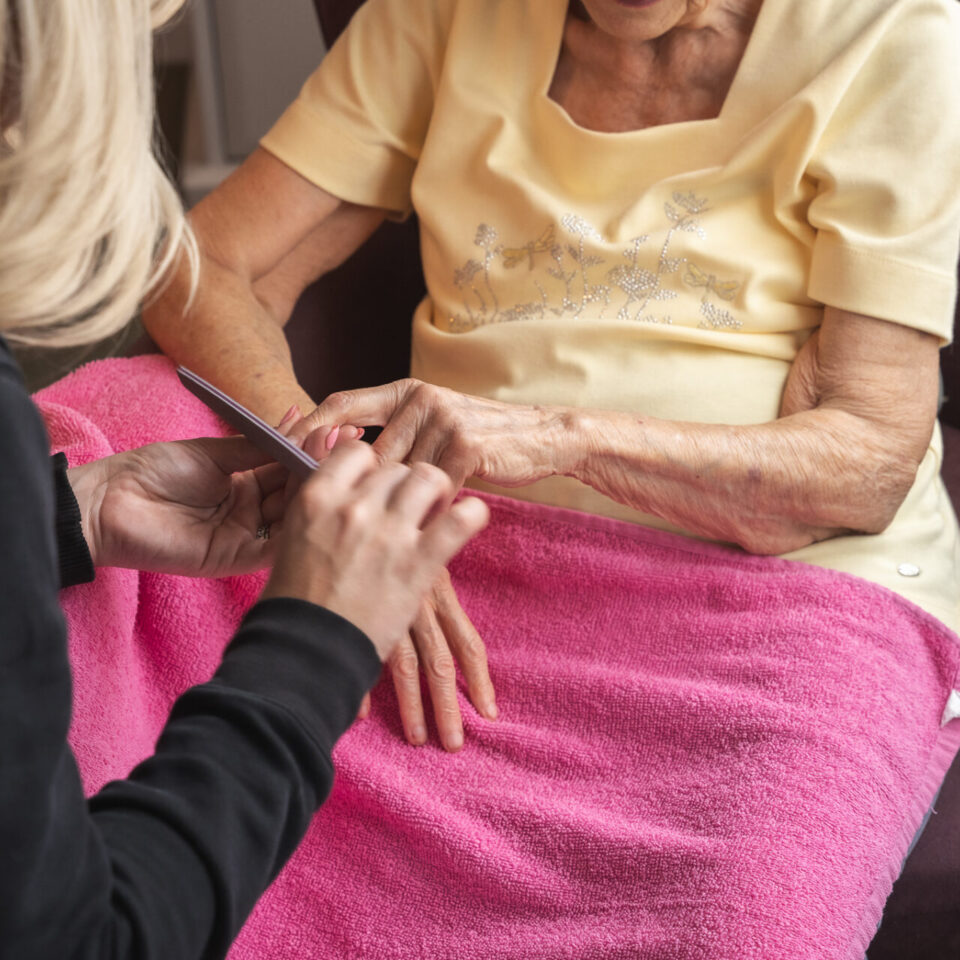
In simple definition, palliative care means caring for the whole person when an illness cannot be cured. In short, that means managing pain and other symptoms while giving the supporting comfort, dignity and quality of life they deserve. But I never lead with a clinical explanation. I lead with what it looks and feels like on the day. Think of it as comfort-led care. It means your mother or father’s pain is managed. It means their favourite music is playing. It means you can stay as long as you need to and that nothing happens without you being part of the decision making.

Does palliative care mean someone is dying?
No – not necessarily. This is the misunderstanding almost every family arrives with, and the question underneath every other question. The honest answer is no, not necessarily. Palliative care means the focus of care has changed. It doesn’t mean we’ve given up, and it doesn’t mean the end is happening right now.
The second is that it’s only about pain relief, about keeping someone comfortable in a purely physical sense. At Berkley it is much broader than that. We’re thinking about whether someone wants to see their grandchildren, whether they want to be outside, whether they want their faith observed, whether they want to eat something they love even when it isn’t what a care plan would ordinarily suggest.
And occasionally we meet an opposite fear – that palliative care replaces the care a resident was already receiving. It doesn’t. It actually builds on it. The same people who know your loved one stay at the centre of their care. We simply adjust what we’re doing, and why.

How long does palliative care last?
There is no set timetable, and families are often surprised by that. Someone may receive palliative care for days, for months or for years. It begins when it is needed and continues for as long as it helps, alongside whatever life still holds.
What is the difference between palliative care and end of life care?
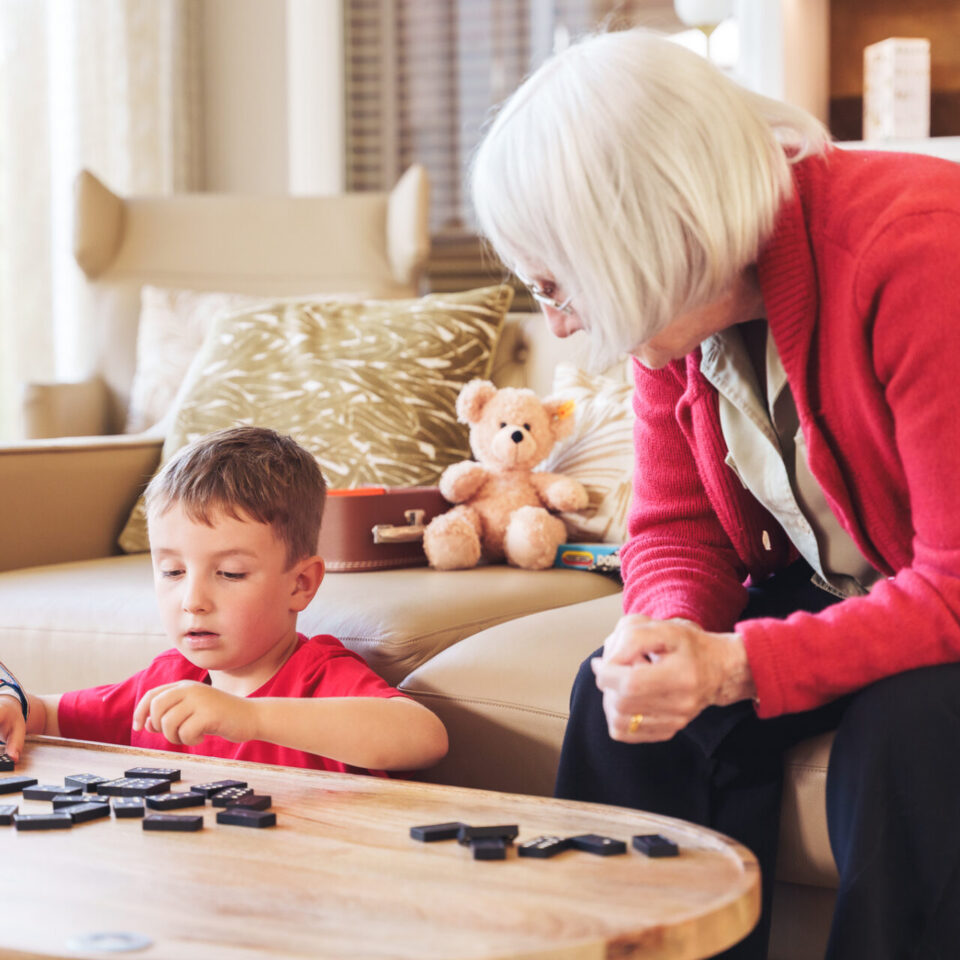
Palliative care is a longer journey, normally. It can begin when a diagnosis is serious and life-limiting, but when someone still has a great deal of living ahead of them. It runs alongside life rather than replacing it. A resident receiving palliative care may still come down to the bistro for lunch, still enjoy family visits, still join the activities that bring them pleasure.
End of life care is a distinct phase within palliative and it means the care we provide in what we believe are a person’s final days or hours. The focus becomes more intimate and comforting. Breath work, presence, peace. Families are encouraged to stay longer. The room is softened with lighting adjusted, unnecessary equipment removed and favourite things brought in.
The honest answer is that the line between the two isn’t always clear and we don’t try to make it any sharper or distinct than it needs to be. What matters is that families never feel a cliff-edge where one becomes the other. And crucially, the care is continuous.

What does a good day in palliative care look like?
To be honest, there is no real template and that is the point. A good day in palliative care looks like the resident’s requirements rather than some schedule. For some, that means sleeping in after a difficult night, a light breakfast brought to bed and the curtains opened slowly when they’re ready for daylight. For others it means coming down to the bistro as usual, sitting with friends, keeping as much like normal life as their body allows. We follow the person’s pace, not ours.
What stays consistent is that there is always someone close by who knows them well. Their room is their own, with photographs on the shelf; a familiar blanket and their favourite playlists in the background. If they have a pet at home, we do our best to arrange a visit. Visitors can come at any hour, and if a family member needs to stay overnight, we make space for that too.
Identity matters as much as comfort – in fact, one of our residents returned more and more to Greek, her first language, as her dementia progressed. The team learned key Greek words to reassure her, and we arranged for a Greek priest to visit. She passed away peacefully in the home with her son beside her with every one of her wishes upheld.
How is someone kept comfortable in palliative care?
Whether their loved one is (or will be) in pain is the question families often ask first, and the one they are sometimes afraid to ask, for obvious reasons. We don’t like to imagine such things, but we always reassure them that our nursing teams are there 24 hours a day and trained to notice the small things. And we do not wait for obvious distress before acting. Anticipatory medicines are prescribed in advance where appropriate, so that if symptoms change in the middle of the night, we can respond immediately rather than waiting for a prescription. We work closely with GPs, community nursing teams and our local hospice, whose specialist nurses come to us. That is one of the real advantages of palliative care in a care home: residents benefit from hospice-level expertise without leaving the home they know.
Pain is not always expressed in words, especially for people living with dementia. We are trained to read the subtler signs: a change in facial expression, in breathing, in body language, or in something as simple as a restlessness that wasn’t there yesterday. Often it is these small observations that tell us to act early.
And comfort is about far more than medication. It is a comfortable position, mouth care, skin care and a calm room. Sometimes it is holding a hand and saying nothing at all. Our approach across every Berkley home draws on the principles of the Gold Standards Framework and the Six Steps programme: recognise early, plan ahead, work as one team and keep the person’s wishes at the centre of every decision.


The small things families remember
After the fact of someone passing, families rarely talk about the clinical decisions. They talk about the small human moments they will remember and carry with them.
A favourite meal brought to the room when appetite was poor, for example. One family still talks about the night their mother asked for a bacon sandwich at two in the morning, and someone made her one. Music is also consistently mentioned. We spend time early on finding out what someone loves: a particular era, an artist, a hymn they’ve known since childhood. Having that playing softly in the room does something no medication can.
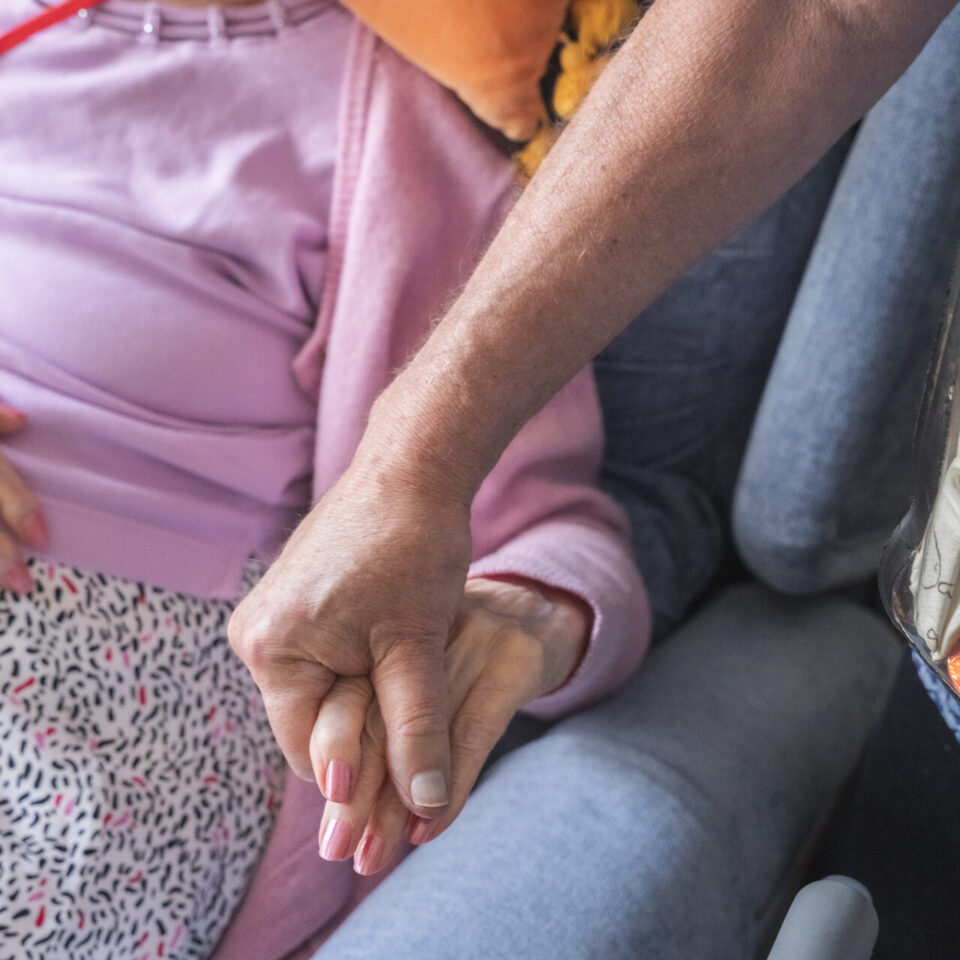
A hand held without anything being said. Permission for a daughter to climb into bed beside her mum, because that is what they both needed. A dog brought in from home. The light through the garden doors on a clear afternoon. None of these are in care plans. But they are the things our team think about every day, because a peaceful death is made of exactly these details and families remember them for the rest of their own lives.
A final day out
Recently, the daughter of a former resident asked whether we could help her brother-in-law, a man of 43 living with terminal brain cancer. He was being cared for at home by his wife and could no longer manage the stairs, which meant he had not been able to have a shower for weeks. He was under the care of a hospice, but this was a need nobody could meet.
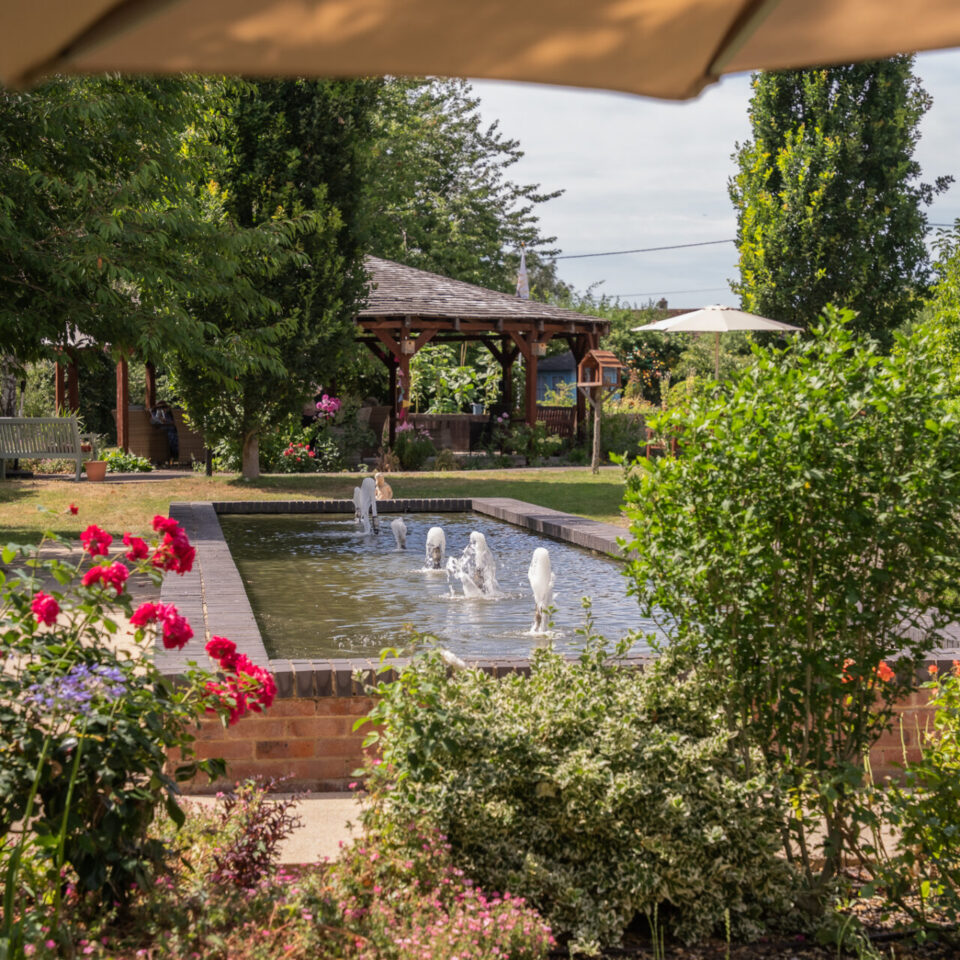
Our general manager, Vicky, and our deputy manager, Lisa, arranged a day with us. He and his wife walked the gardens, had lunch together in the conservatory with a glass of wine, and he saw our visiting barber for a hair wash and a traditional wet shave. That afternoon the team helped him take a long, warm shower, his first in weeks, and he changed into clean clothes for an evening meal with his wife before going home.
His wife told us beforehand what the day would really mean: a few hours to simply be his wife again rather than his full-time carer. That evening she sent Lisa a message. ‘Thank you so much for everything today. My husband is sat in bed with a huge smile and has had a wonderful day.’
He died a few days later. His wife told us it had been their final meaningful day out together, and that she would never forget the kindness shown to them. We will not forget them either.
What could I say to a frightened family?
There is no perfect script to say to a frightened and often exhausted family, because every family is different. But I start by acknowledging the truth – that this is an incredibly difficult and frightening time. And that I will promise only what we can keep. We will do everything we can to keep a loved one comfortable. We will keep you informed if anything changes. And that you don’t have to go through this alone.
Families are given permission to feel whatever they feel. To cry, to ask difficult questions, to step away and rest. There is no right way to say goodbye. And sometimes the most meaningful support isn’t words at all, but a cup of tea in the garden. A hand on a shoulder. Or just sitting together in silence.
Long after the words are forgotten, we know that families remember how we made them feel. That is the standard we always hold ourselves to at Berkley, from the first conversation to the last, and beyond. Being part of this chapter of people’s lives is the hardest thing we do, but it is also a privilege, every single time.
If you’re facing this decision, you don’t have to face it alone.
Our teams are here to answer every question, however difficult, with honesty and without pressure. Learn more about palliative care at Berkley, or talk to our team whenever you’re ready.
If it would help to see one of our homes and meet the people who would care for your loved one, you’re always welcome to book a visit.