Recovery Stays: Convalescent Care Between Hospital and Home
A Recovery Stay is a short, all-inclusive convalescent care stay in a luxury Berkley home – bridging the gap between hospital discharge and being ready to live at home again, with physiotherapy, 24-hour support and a planned departure date.
Being well enough to leave hospital is not always the same as being ready to live at home. Berkley’s new concept closes that gap, allowing convalescence in style.
You may recognise the scenario. The doctor has confirmed the operation went well, or that the infection is under control. The scan came back clear. A discharge date has been pencilled in and, for a moment, there is huge relief for the whole family.
But then another thought arrives. Discharge to where? What will happen to mum or dad, or your loved one, if there is no nurse checking in, no call button for help and no one just down the corridor watching out for them through the day and night?
Maybe you start to think of the three flights of stairs in their house or the fact that a bowl of cereal seems a lot at the moment, let alone physiotherapy exercises, or the pill organiser, or the shopping and showering. Maybe it is even simpler than that. Maybe walking to the bathroom now takes some real effort and concentration, and yet, much as you’d love to, you can’t be the one keeping watch through the night.
Don’t worry. You aren’t alone. Being well enough to leave hospital and being ready to live at home are two entirely different things and the gap, the space, between them is a challenge that many families all over the UK have to face and find solutions for.
And this is where Recovery Stays, by Berkley, comes in.

How are ‘medically fit’ and ‘ready for home’ different?
You will have heard the term ‘medically fit for discharge’. It is a clinical term that means the hospital has done what the hospital is there to do. However, what it cannot shed light on is how someone may manage when back at home. The strength lost during a fortnight in a hospital bed usually takes longer than a fortnight to come back. And everyone knows that rest is not always recovery. A body that has been lying still gets weaker and older bodies lose condition more quickly, so the very place that made someone well may also leave them frailer than when they arrived. Doctors have a word for this, deconditioning, and it is why so many people come home able to leave hospital yet unable, for the time being, to manage the life waiting for them there.
So, what tends to happen next is improvised. There is a rushed conversation between family members in a hospital corridor, a spare room given over or a sofa turned into a bed for one of the kids for a couple of weeks. Or family use up annual leave they can’t really spare in sleeping over, learning to change a dressing from a YouTube video. Often it works in the end; people find a way. But it rarely feels like recovery and it asks an enormous amount of a family already worried and stretched thin.


What is convalescent care – and where did it go?
There used to be a word for this time. Convalescence. Time set deliberately aside to get your strength back before picking life up again. A generation ago it was ordinary; there were even hospitals or ‘homes’ given over to it. People expected to convalesce as part of recovery, and the weeks were built into how everyone thought about getting better.
But this has all but vanished. Many families no longer have a spare bedroom or the spare weeks required, and the health system no longer has the beds or the hours. People still need to convalesce. There is just nowhere set aside for it any more.

Why do people need Recovery Stays?
This gap between hospital and home does not always open the same way. Sometimes it is planned; an operation is booked, a hip or a knee, and the question is asked early: where will the recovery happen? Arranging that in advance, rather than in the scramble afterwards, can change the whole experience for the person themselves and the family.
But sometimes it is far more sudden. A fall, an illness, an admission nobody saw coming and then a discharge date that lands before home is anywhere near ready.
And sometimes it is less dramatic than either. Someone is already improving, already stronger, but the leap from a supported ward to living alone again feels too big to take in one step. What they need is a short bridge. Somewhere to rebuild confidence as much as strength, and then go home sure of themselves.
Three different routes in and through, but the same destination each time. Home, with the confidence to be there.
What does a Recovery Stay include?
A Recovery Stay with Berkley is a short, fully supported stay with a single goal from the first day: to get someone strong and confident enough to go home well.
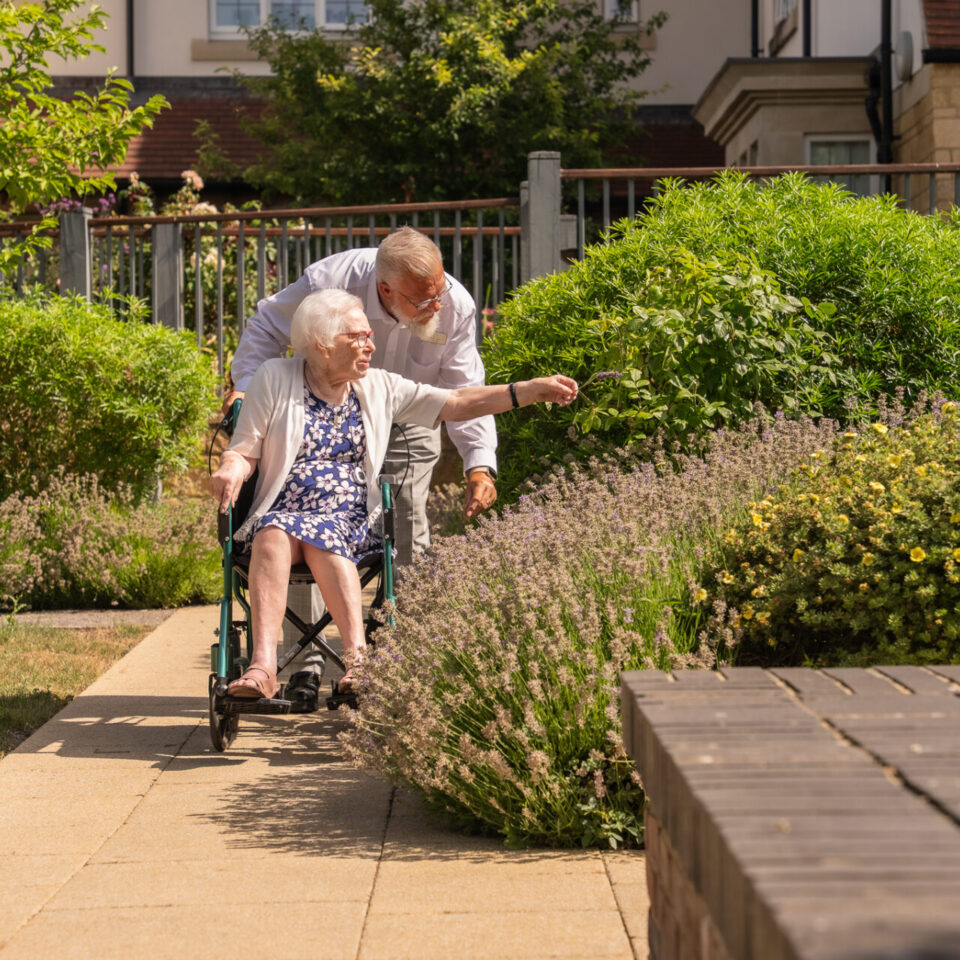
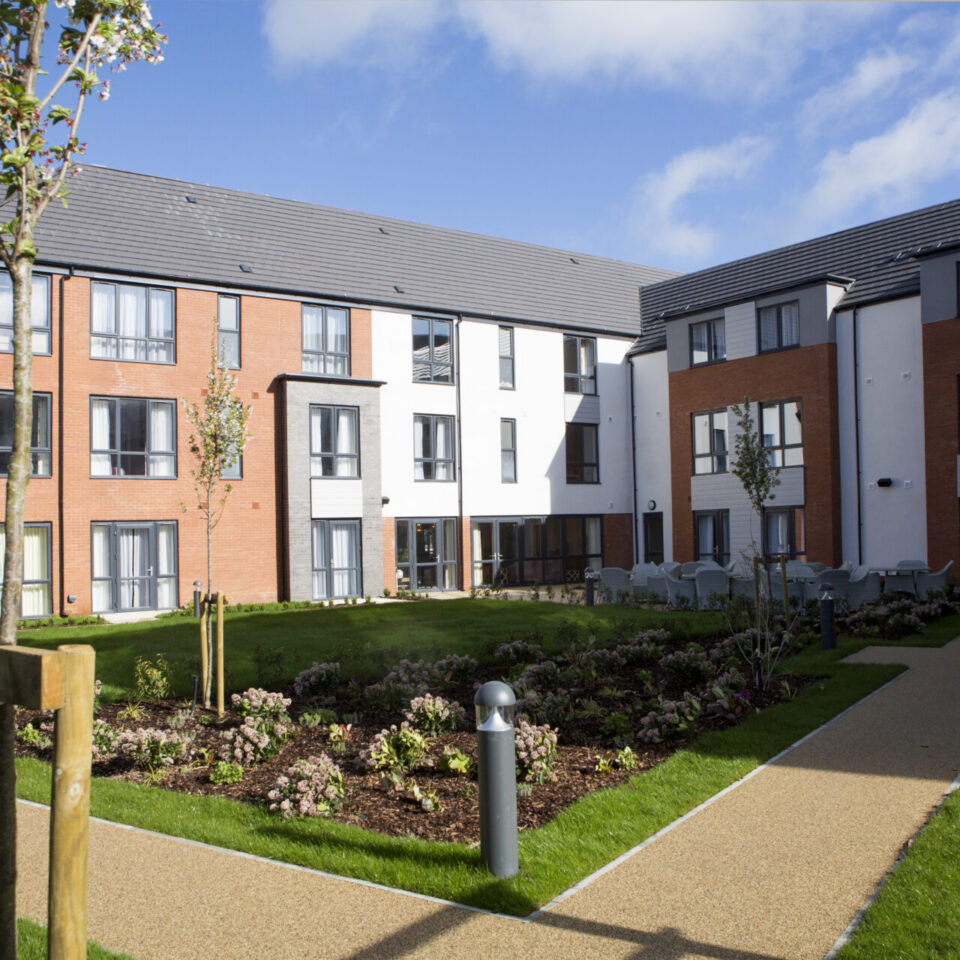
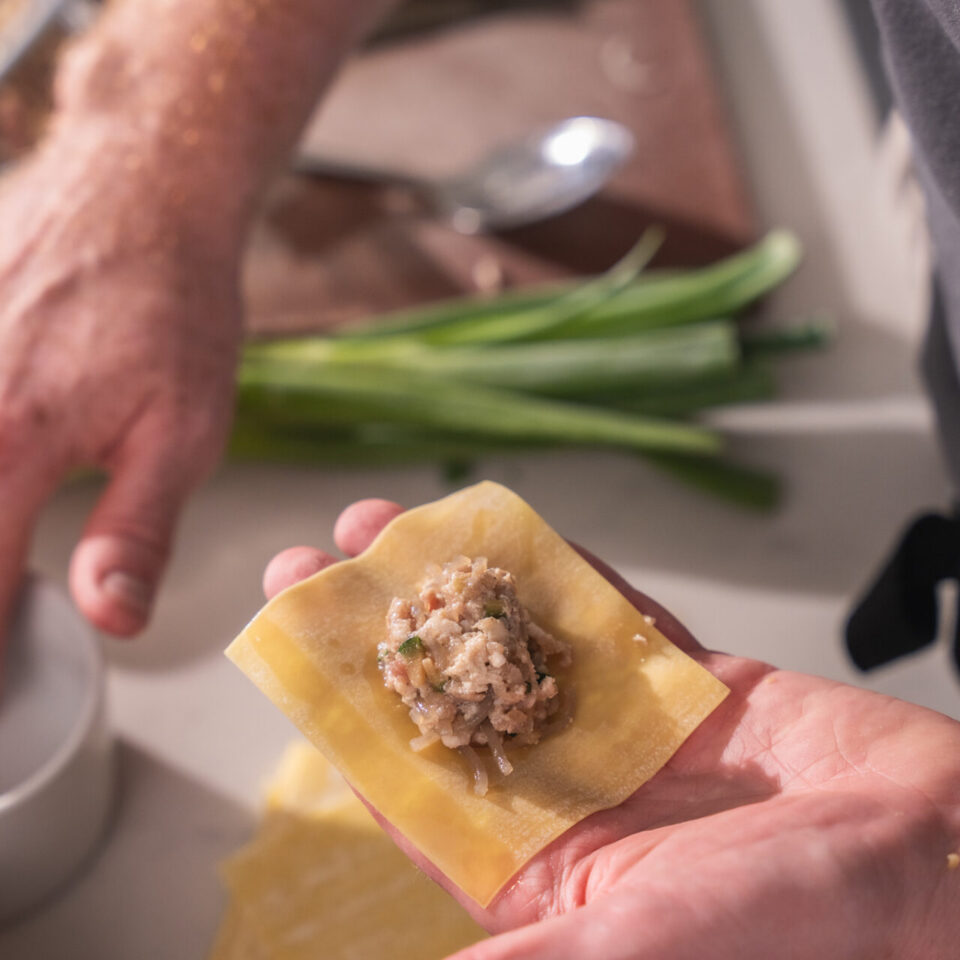
At Jubilee House, that starts with a plan made around the person. Physiotherapy and rehabilitation support shaped around their own goals, alongside healthcare professionals, rather than a generic timetable you have to work out yourself. Twenty-four-hour recuperative reassurance, so the nights are covered by someone awake and close by whenever you need them. And because getting better is never only physical, the rest of a normal Berkley day comes with it: restaurant-quality dishes cooked by incredible chefs, a glass of wine when you would like one, wonderful spaces and activities designed to your capabilities. Then there’s the salon, the landscaped gardens and somewhere to sit in the sun with the papers and a cup of artisan coffee. And a private suite with wet room of your own to close the door on. Unlike a traditional convalescent care home, every Recovery Stay is all-inclusive, so there is nothing to arrange and nothing to add up.
The most important detail is the one on the calendar. Every Recovery Stay has a departure date and it is a journey to reach that day together from the very start.

How do Recovery Stays differ from hospital, rehabilitation and respite care?
It helps to be clear about what Recovery Stays are and what they are not. A hospital treats the medical event and moves you on once the treatment is done. Specialist rehabilitation, the intensive kind after a stroke or a serious neurological injury, is a different clinical service again, and a Recovery Stay does not replace it. A Recovery Stay is the ground in between and after: convalescent care for the weeks when someone is mending from surgery, a fall or an illness and simply needs strength, support and time in a place built to give all three.
One more line is worth drawing, because the words often get used interchangeably. Respite care is arranged around a carer to give family a break. A Recovery Stay is arranged around the person recovering, with a clinical reason behind it, a plan inside it and a goal at the end of it. The two can look similar from the outside, but the intent is not the same.
If you are weighing one up, for yourself or for someone you love, a few questions get to the heart of it. How quickly someone can be admitted from hospital. What the physiotherapy support actually involves, and who leads it. Whether the rate really is all-inclusive, with nothing billed on top. And what happens on the day you go home, because a recovery that ends well is one that was planned to.
Why choose a Recovery Stay?

At Berkley, we are proud to introduce Recovery Stays, the dedicated place designed to bridge the gap between hospital care and the comfort of home. Being ready to go home after hospital is never just about a wound healing or a scar closing. It is walking to your own front door without worrying about the steps. It is a night’s sleep unbroken by worry, yours or your family’s. It is about living at home with confidence. Recovery is the clinical part of getting better. Feeling like yourself again is just as important and it is exactly what Berkley Recovery Stays give back.
Find out more about Recovery Stays at Jubilee House.