Portraits of Care: The Friendships Behind a Career in Care
Nine residents, the people who support them and the friendships they form. The story of a new photographic portrait exhibition that shows what a career in care really offers.
What does care look like when you stop describing it and photograph it?
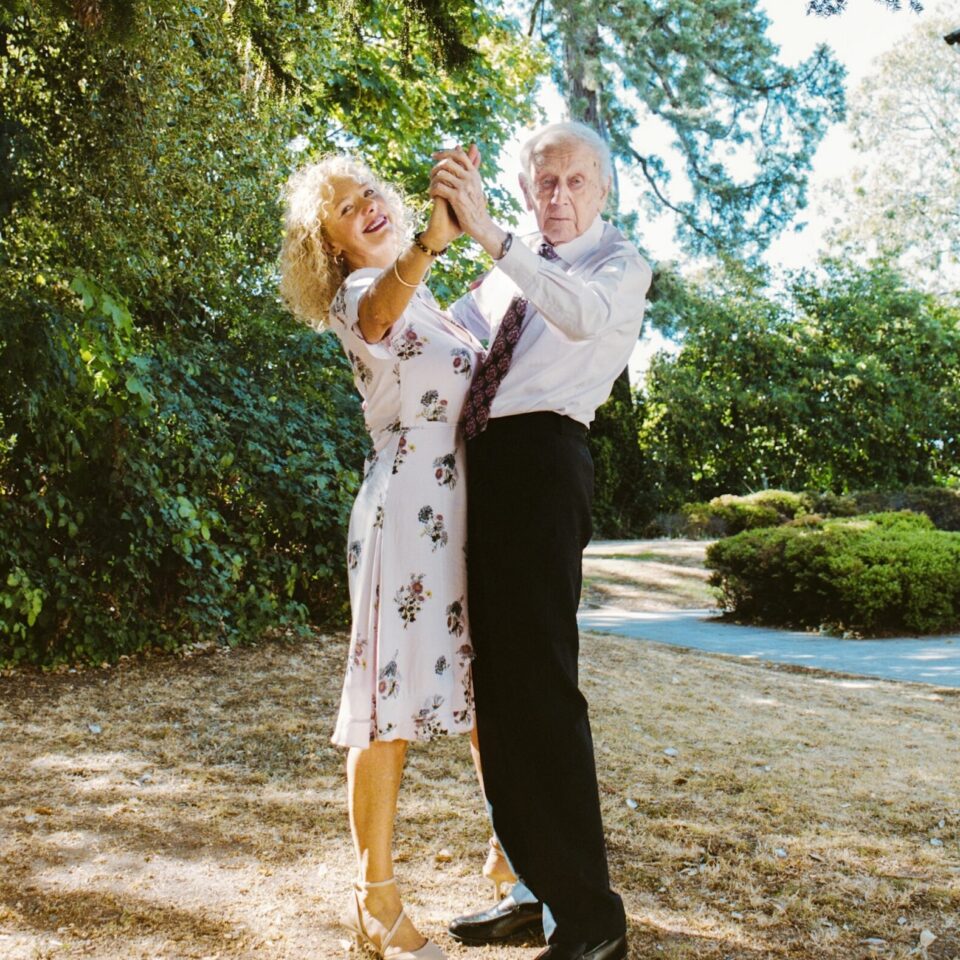
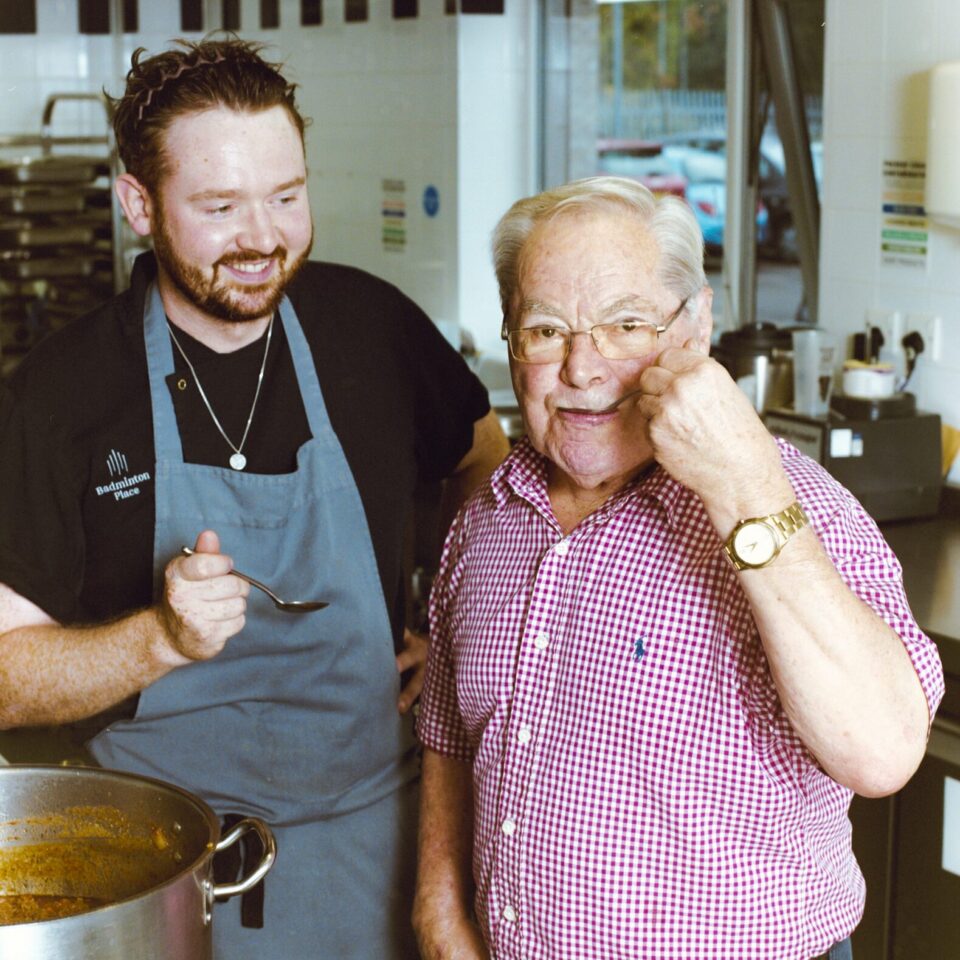
As we are fortunate enough to see every day at Berkley, it looks something like this. Bernard, 100 years old, dressed in shirt and tie, in the perfect ballroom hold with a dance partner on a summer lawn. It looks like Gino and Kieran, resident and chef at Berkley, working together in a kitchen to create the perfect focaccia, just like his wife used to make it.
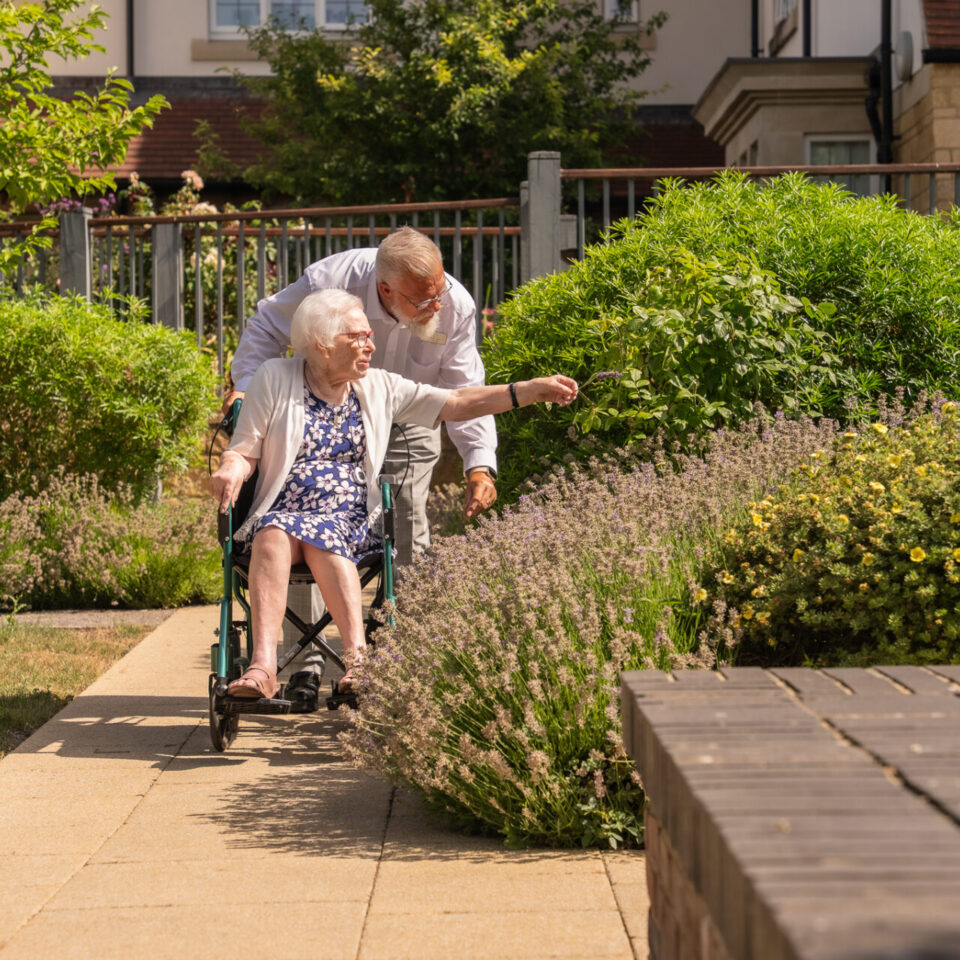
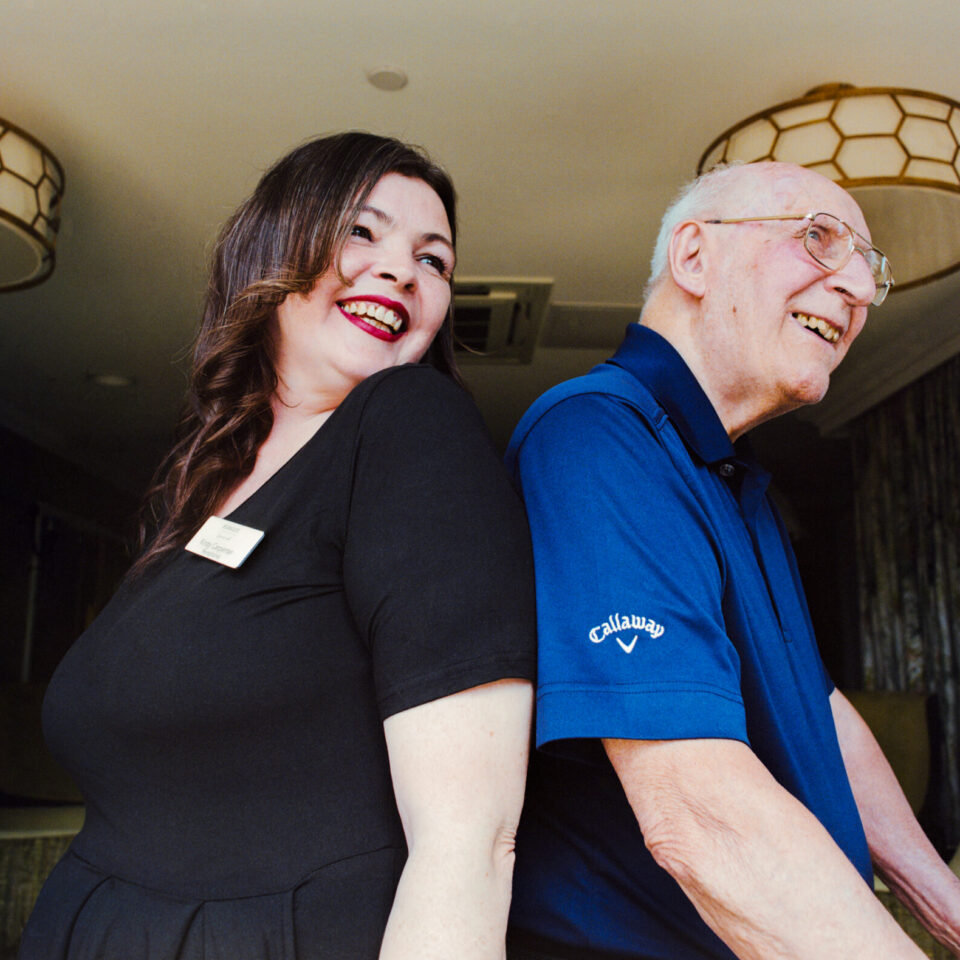
These are two of the nine pairs that feature in Portraits of Care, a photographic series we launched this Professional Care Workers’ Week. Each portrait pairs one of our residents with one of the people who support them – the carers, chefs, event organisers and hospitality team members from our homes across the country.
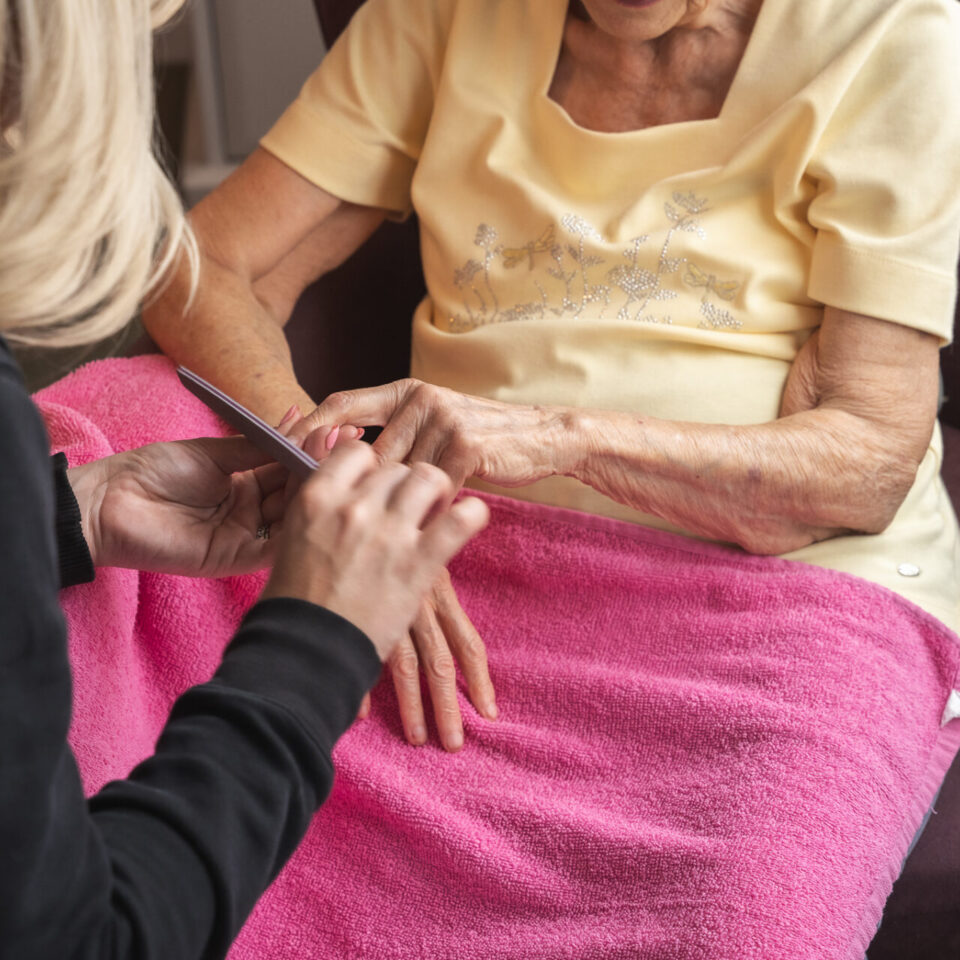
Whenever the media covers care, the visual stories tend to be the same. The pictures are the same stock photography; usually an elderly hand on a bedsheet, clasped by a younger hand in a medical glove. The headlines speak of deficits, shortages and care in crisis. The story they add up to is one of decline and problems to be managed.
But these portraits show something else entirely. And they couldn’t have come at a more important moment for care and the perception of working in this sector among young people.
The people behind the pictures
To create the series, we commissioned Different Gravy Studio CIC, a North London arts organisation and creative studio with a reputation for documenting communities that do not always make the mainstream visual record. Its previous work spans collaborations with the Barbican, the ICA, South London Gallery, the Museum of Youth Culture, Camden Council and UAL. For co-founder Louie Stewart the subject is close to home. He has a family member living in a care home, and has watched these friendships form for himself.
‘We wanted to shine a light on the friendships, the characters, the jokes and the everyday moments,’ says his co-founder, Alex Picasso. ‘Not a polished or sentimental version of care, just real people and real relationships that deserve to be seen.’
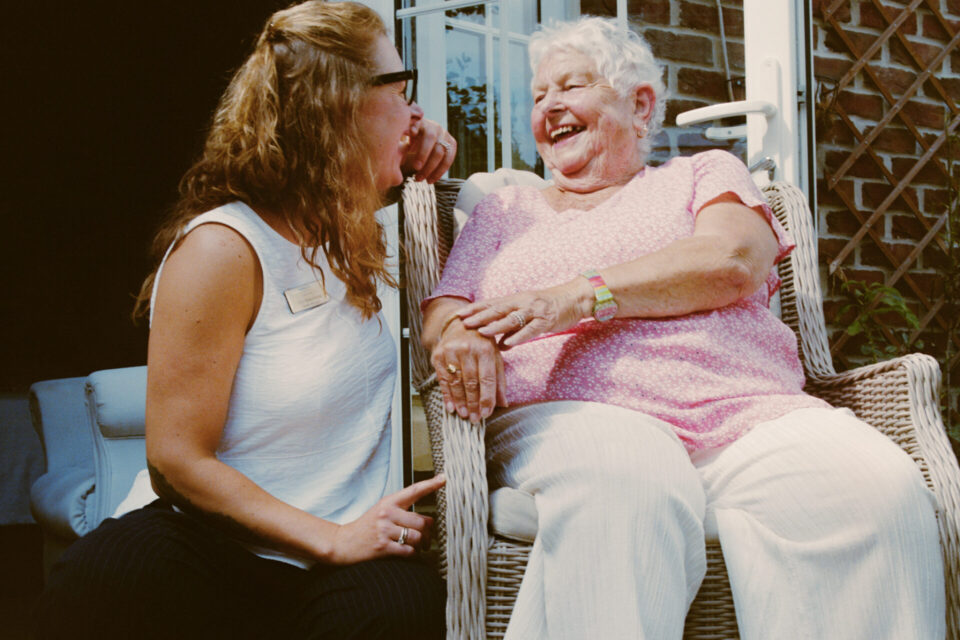
So, these portraits were made exactly where these kinds of real relationships live: in working kitchens, lounges, gardens and conservatories on a warm summer’s afternoon. Look through the series and the threads of what care is about emerge on their own. Nearly everyone appears mid-laugh. There is human touch in almost every frame. High summer light falls across our lawns, picking out uniforms and name badges beside residents dressed entirely as themselves. And the uniforms matter, because they say these are photographs of people at work. The friendship in them is part of the job, and never a break from it.
Why we commissioned Portraits of Care
The country needs to look again at the care profession and the stories it tells around its careers. England will need an estimated 470,000 additional adult social care posts by 2040, according to Skills for Care. Around 335,000 people left adult social care jobs in England in 2024/25, a turnover rate of 23.1 per cent. And at the same time, UK unemployment stands at 4.9 per cent, rising to 16.2 per cent among 16 to 24-year-olds.
Our CEO, Laura Perry, puts it plainly. ‘England will need hundreds of thousands more care posts in the coming years. At the same time, unemployment is rising and many younger people are struggling to find their place in the workforce. Care offers a genuine career where people can make a visible difference every day.
‘We need to be honest about the pressures facing the sector, but they should not be the only story people hear. Care is skilled and varied work, and this research shows how much it can mean to the people who choose it.’

The reality of careers in care
The research Laura mentions is our own. In the week before the launch, we commissioned OnePoll to survey 250 UK carers of people over 65, and the findings describe a profession built on relationships rather than routine.
More than eight in ten, 83 per cent, would recommend caring for older people as a career. Asked what satisfies them most, they pointed to helping the people they support keep their independence (45 per cent) and their dignity (42 per cent).
The figures on staying are the telling ones. Of those who had considered leaving the profession, 55 per cent stayed for the relationships they had built, and the same proportion stayed because they knew they were making a difference. Nearly three quarters have formed a friendship with a resident they believe will last for life. Two thirds describe the people they support as friends, extended family or among the most important people in their lives. And the impact runs both ways with 71 per cent saying that working with older people has improved their own perspective on life.
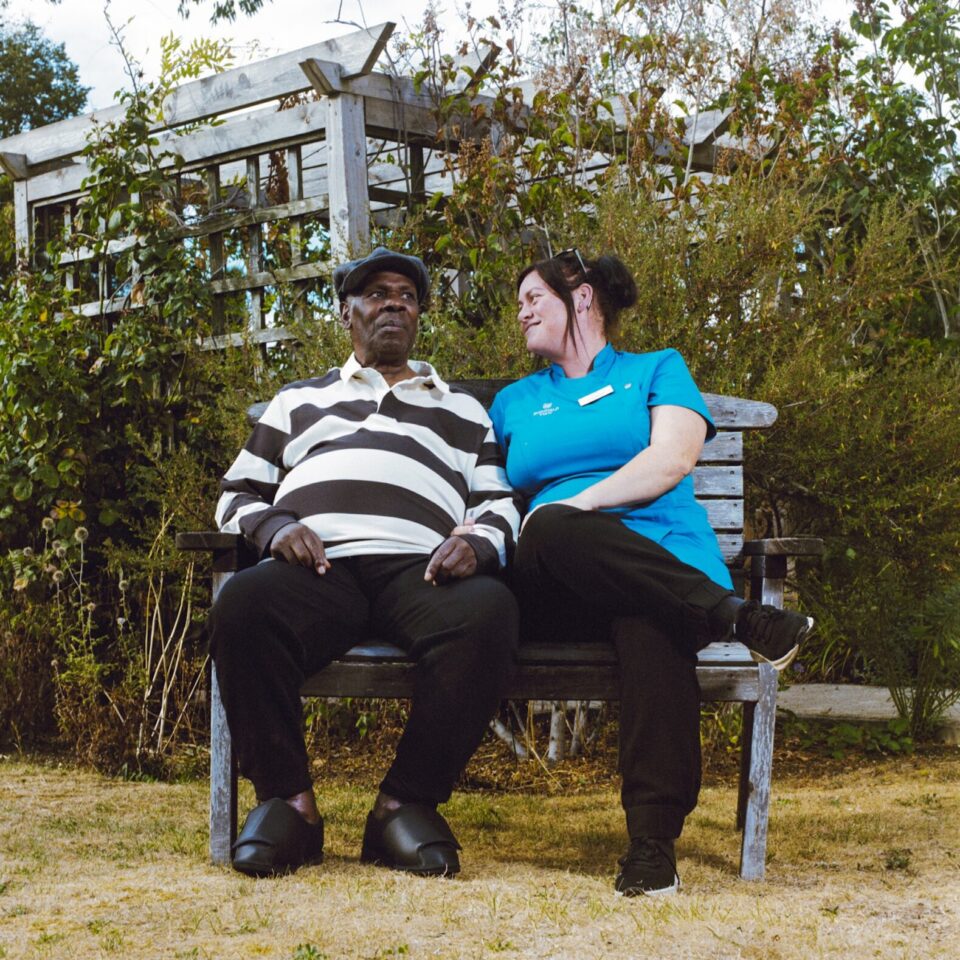

It is one thing to read those numbers, but another to see them. Look at the photographs in this exhibition and what you see doesn’t read like those clinical stock shots. It reads as company.
‘Helping a resident hold on to their dignity and independence carries enormous responsibility,’ Laura says. ‘The relationships carers build can also have a profound impact on their own lives. We commissioned Portraits of Care to show the profession as it really is and encourage more people to consider where a career in care could take them.’
Where to see the portraits
Following its launch, the exhibition is touring our homes around the country, and everyone is invited – residents, relatives, team members and the local communities around each home. Anyone wondering where a career in care could take them can start at berkleycaregroup.co.uk/careers.
And there is one more thing worth knowing about the tour. The venues for the exhibition are the homes where the portraits were taken, meaning the people in the pictures will be there when they go up. So while exhibitions like these often ask visitors to imagine the lives behind the photographs; at ours, the lives will be in the room with you.
Register your interest in seeing our Portraits of Care exhibition
Portraits of Care will travel to our homes and local communities. Leave your details and we will let you know the dates and locations as soon as they are confirmed.